


Bone report
IFMRS 2026 report
Aseel Marahleh
(concurrent appointment at Frontier Research Institute for Interdisciplinary Sciences and Graduate School of Dentistry, Tohoku University)
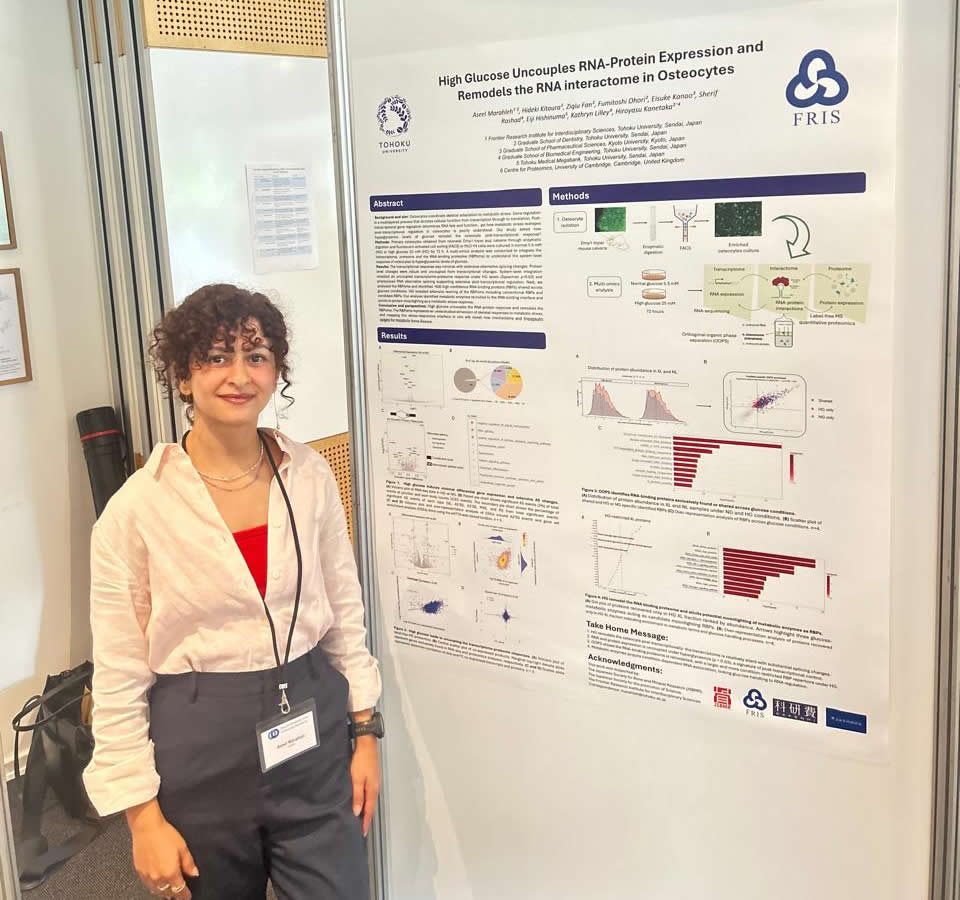
Selected presentation [1]
Obesity, Diabetes and Bone Health (Effects of Incretin agonist treatments such as glucagon Like Peptide-1 receptor agonists (GLP-1RAs) on bone health)
Key words
GLP-1 receptor agonists, Weight loss, Fracture risk
Research group
Professor Julien Paccou, Department of Rheumatology, Lille University Hospital, France
Summary
Professor Paccou examined the skeletal effects of incretin-based therapies, with particular emphasis on glucagon-like peptide-1 receptor agonists. GLP-1RAs have attracted considerable clinical and public attention, making their effects on bone an increasingly important question. The research presented highlighted that interpretation of the effect of GLP-1RAs is difficult because the drug effect cannot be separated easily from the effect of weight loss itself. The lecture reviewed clinical evidence from semaglutide and other incretin studies and showed that their skeletal effects are not uniform across populations. Underlying diabetes, drug dose, treatment duration and the magnitude of weight loss may all affect the observed outcome. The session also highlighted the distinction between changes in bone turnover markers or bone mineral density and the outcome that ultimately matters to patients: fracture risk.
Comment
This was one of the timeliest sessions of the workshop. GLP-1RAs are being adopted rapidly, whereas skeletal outcomes are often secondary endpoints. I was particularly interested in the observation that GLP-1RAs have different effects based on the metabolic health of the individual. In a three-year follow-up study, patients with underlying diabetes who received combination treatment experienced a decreased fracture risk, whereas metabolically healthy individuals experienced an increased fracture risk.
Selected presentation [2]
Visualising Bone Cells in Action
Key words
Osteoclasts, Intravital imaging, Denosumab withdrawal
Research group
Associate Professor Michelle McDonald, School of Medical Sciences, The University of Sydney, Australia
Summary
Associate Professor McDonald demonstrated how intravital microscopy can reveal bone-cell behaviour that cannot be captured by static histology or in vitro experiments. Real-time imaging of living bone showed that osteoclasts are highly dynamic cells that can undergo both fusion and fission. Osteoclast fission generates smaller daughter cells, termed osteomorphs, which can later re-fuse and rapidly form active osteoclasts. This behaviour provides a mechanistic framework for understanding rebound bone loss after withdrawal of anti-RANKL therapy. During RANKL inhibition, osteoclast-lineage cells and fusion-competent derivatives may persist or accumulate. When inhibition is removed and RANKL signalling returns, these cells can contribute to rapid osteoclast reformation and increased bone resorption. The presentation connected direct observation of cell behaviour with an important clinical problem and showed why the biological consequences of treatment withdrawal cannot always be predicted from measurements made during treatment.
Comment
I found this presentation fascinating because the imaging method changed the biological model of the osteoclast. The fusion-fission cycle suggests that osteoclast identity and activity are more reversible than static measurements imply. For my own research on osteocyte-mediated regulation of bone remodelling, it raised questions about how local RANKL and OPG signals influence osteoclast fusion, fission and reactivation during metabolic stress. It may also be relevant to highly dynamic settings such as orthodontic tooth movement and orthodontic relapse which are research topics in which I am particularly interested.
Through the workshop
The small scale and interactive design of this workshop made it a very rewarding experience, as the reflection sessions at the end of each day helped me and other researchers reconsider the main questions, blind spots and emerging directions in musculoskeletal research. On the final day, mixed-background groups designed and presented a future research project with the assumption of unlimited funding which was an eye-opening experience. These small group activities made scientific exchange central to the programme and gave me practical ideas for my research and the design of future scientific meetings.
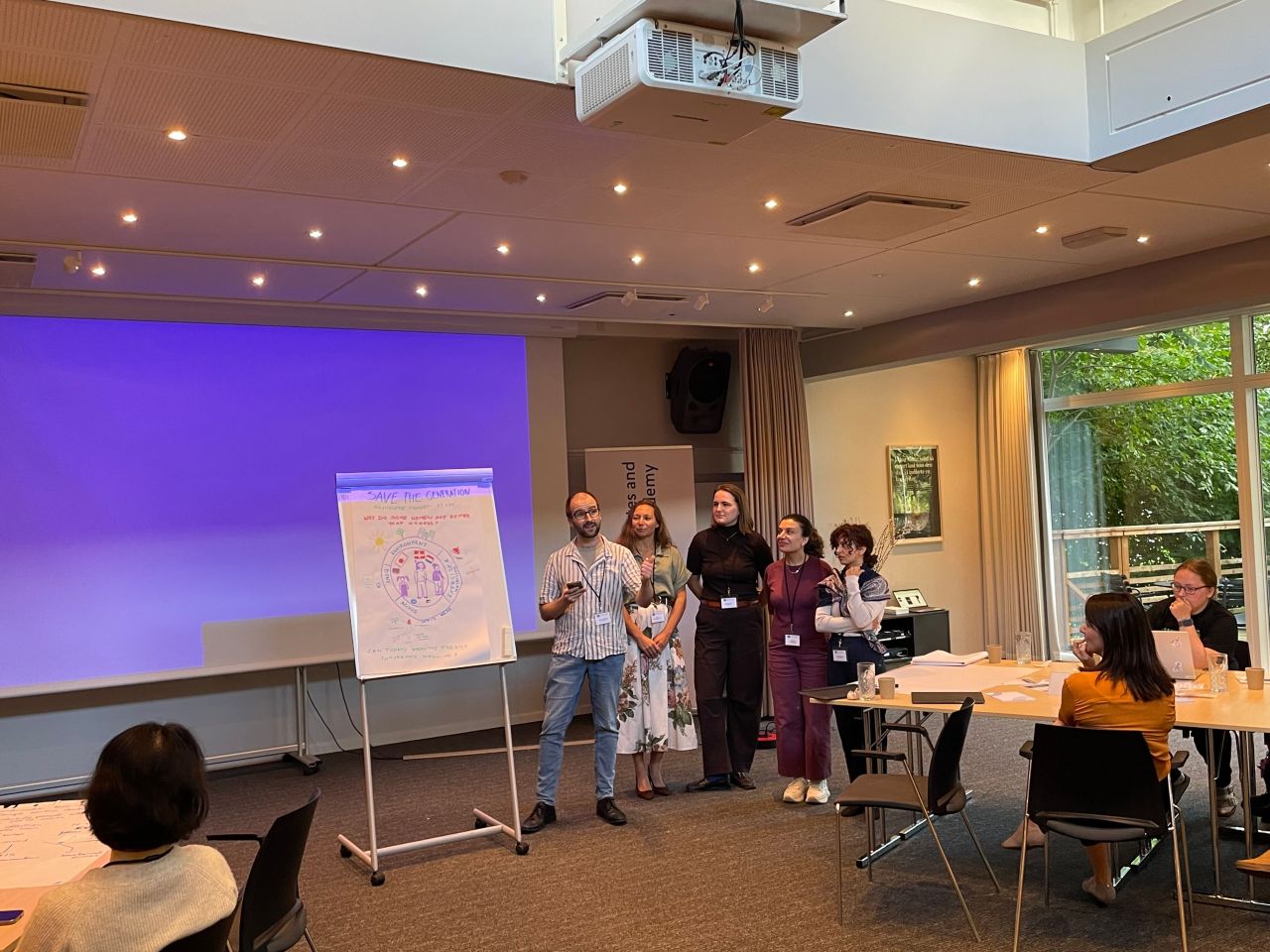
Presenting our future research project on the final day of the workshop. The project was entitled “Save the Generation: A Multinational Cohort Study of Why Some Women Age Differently from Others.”
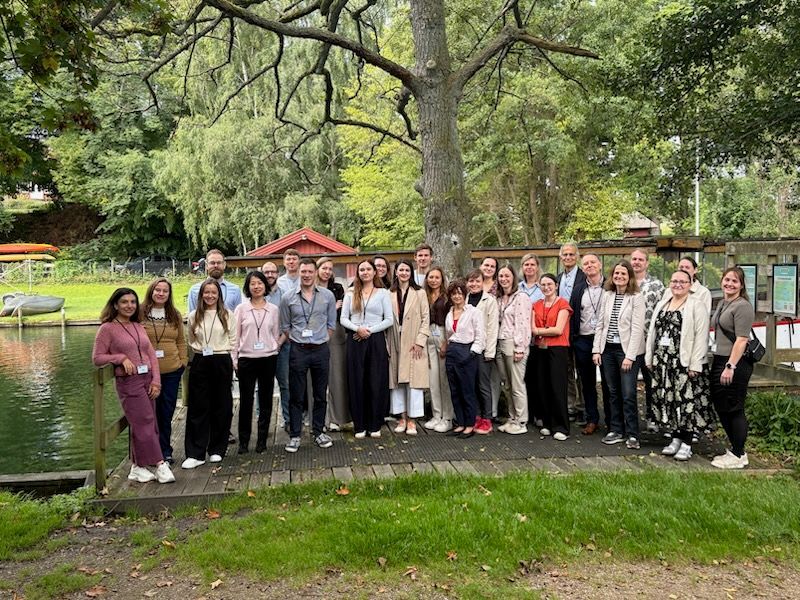
Participants at the Herbert Fleisch Workshop Europe 2026.
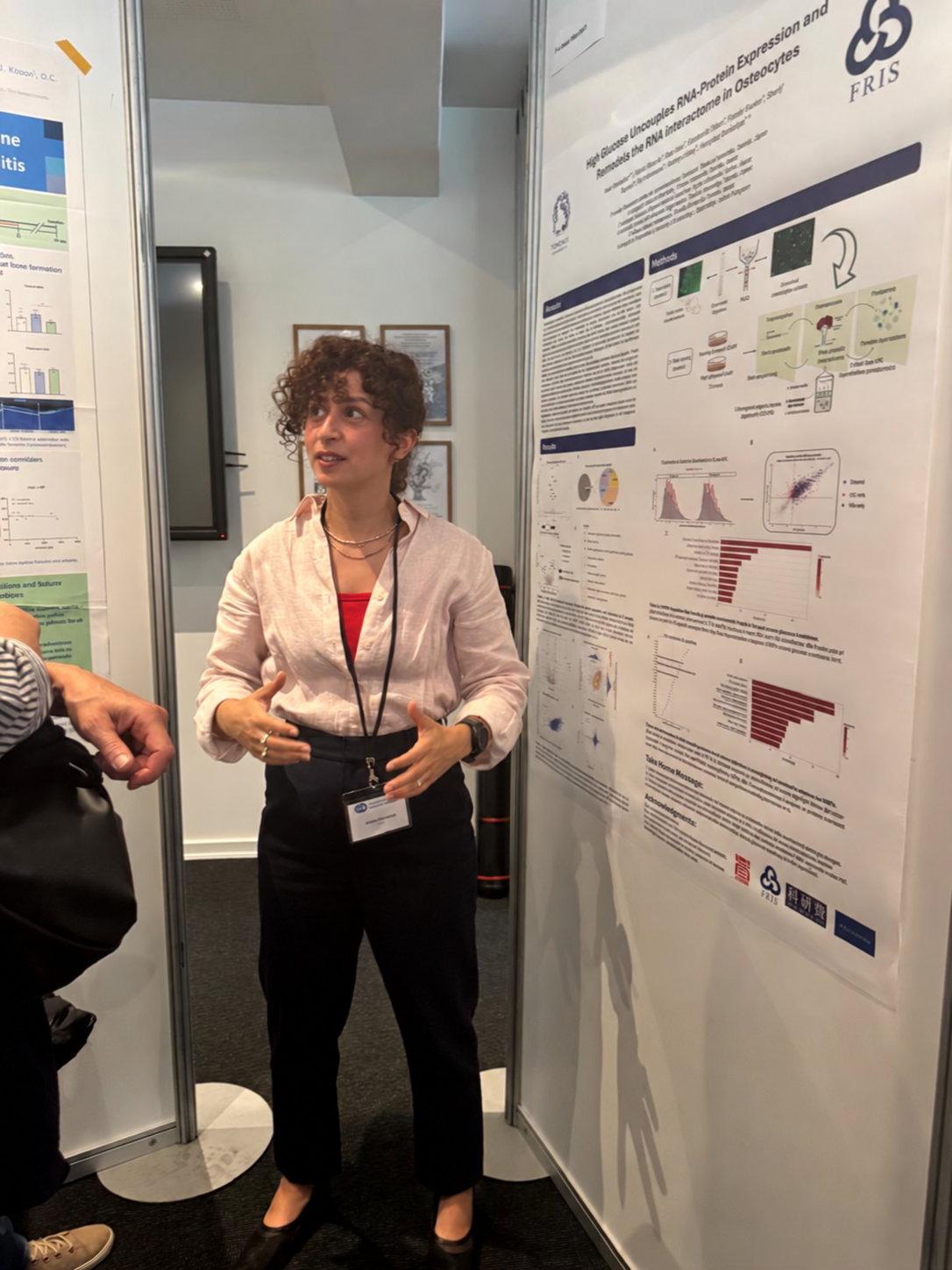
Presenting my work at the community poster session: High Glucose Uncouples RNA-Protein Expression and Remodels the RBPome in Osteocytes.
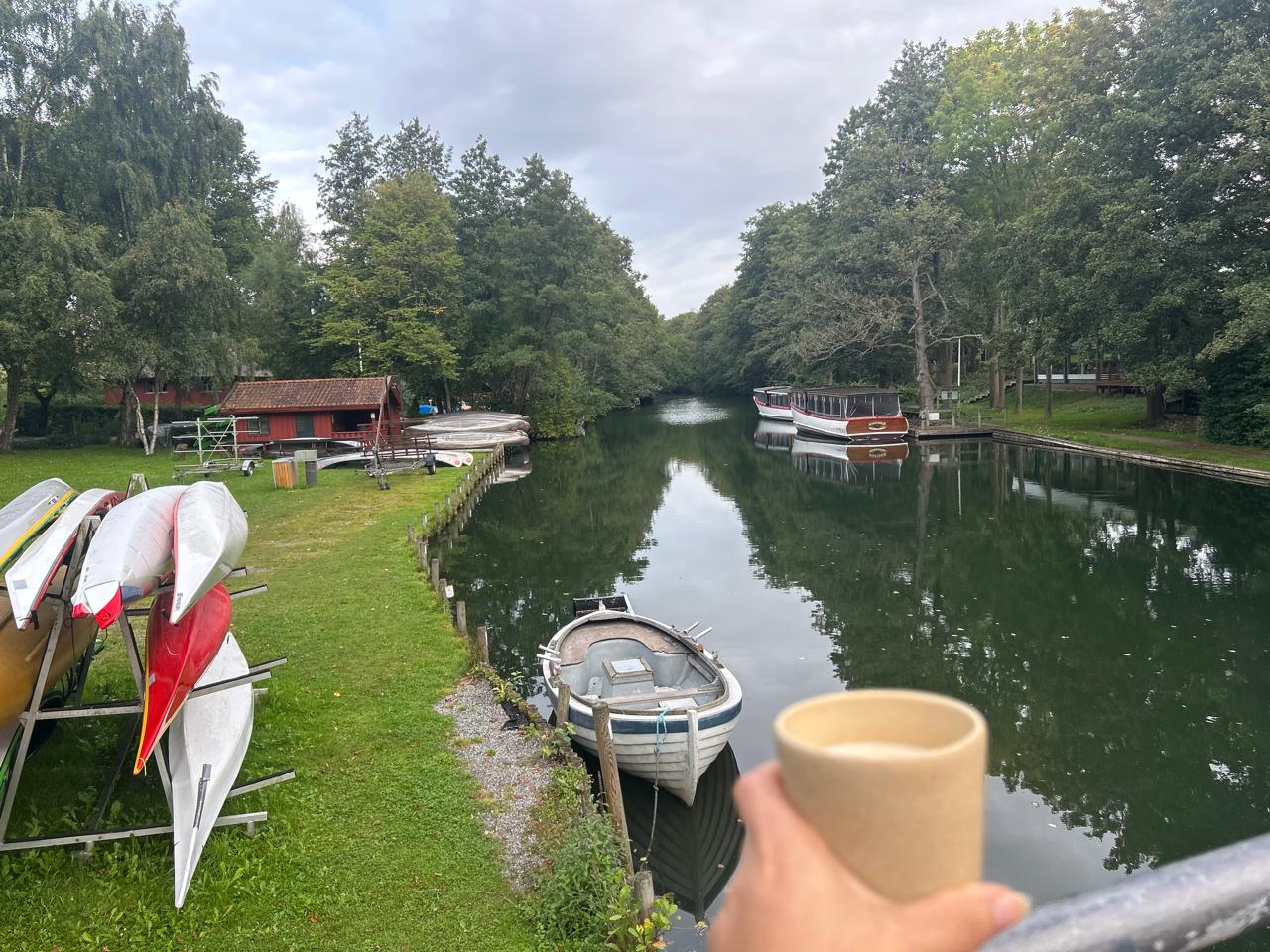
The river beside Frederiksdal Sinatur Hotel, the workshop venue in Kongens Lyngby.
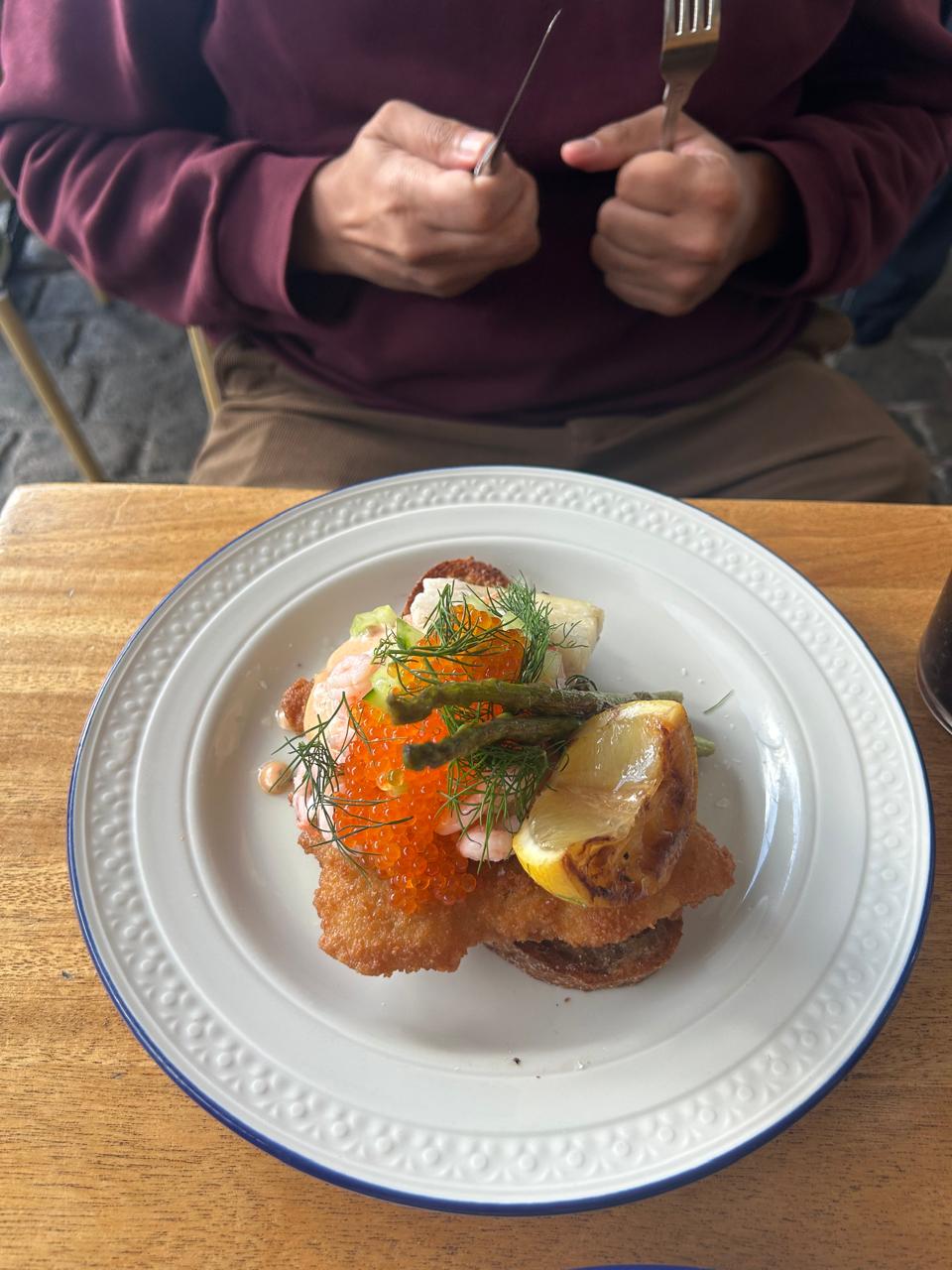
A taste of Denmark: traditional Danish smørrebrød.